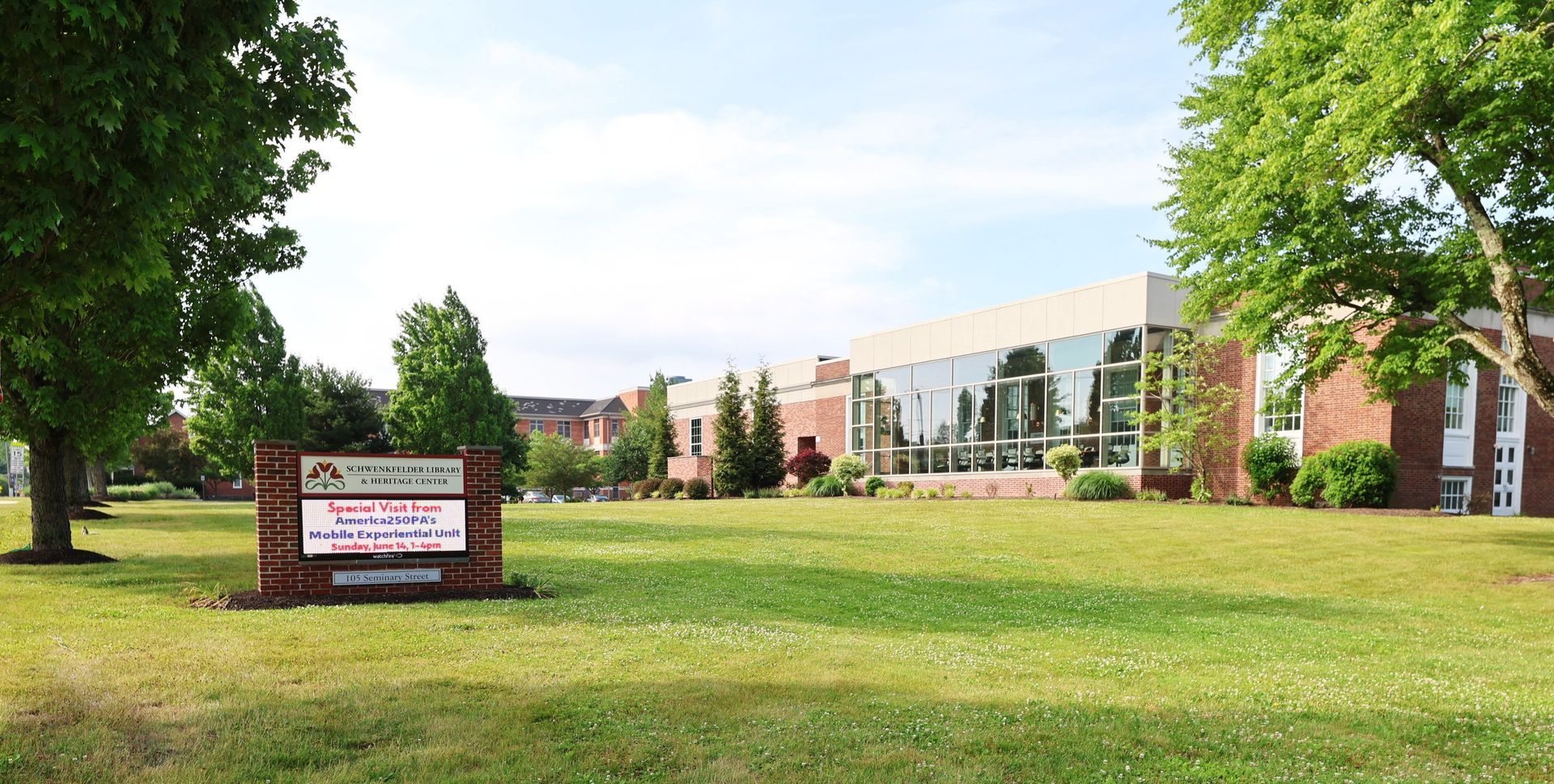
A Faith That Survived Persecution. A Community That Built Pennsylvania.
The Schwenkfelders were among the earliest religious refugees to find freedom in Pennsylvania — and their story is documented here in their own words, in their own hand, across 300 years of surviving objects and records.
Who Were the Schwenkfelders?
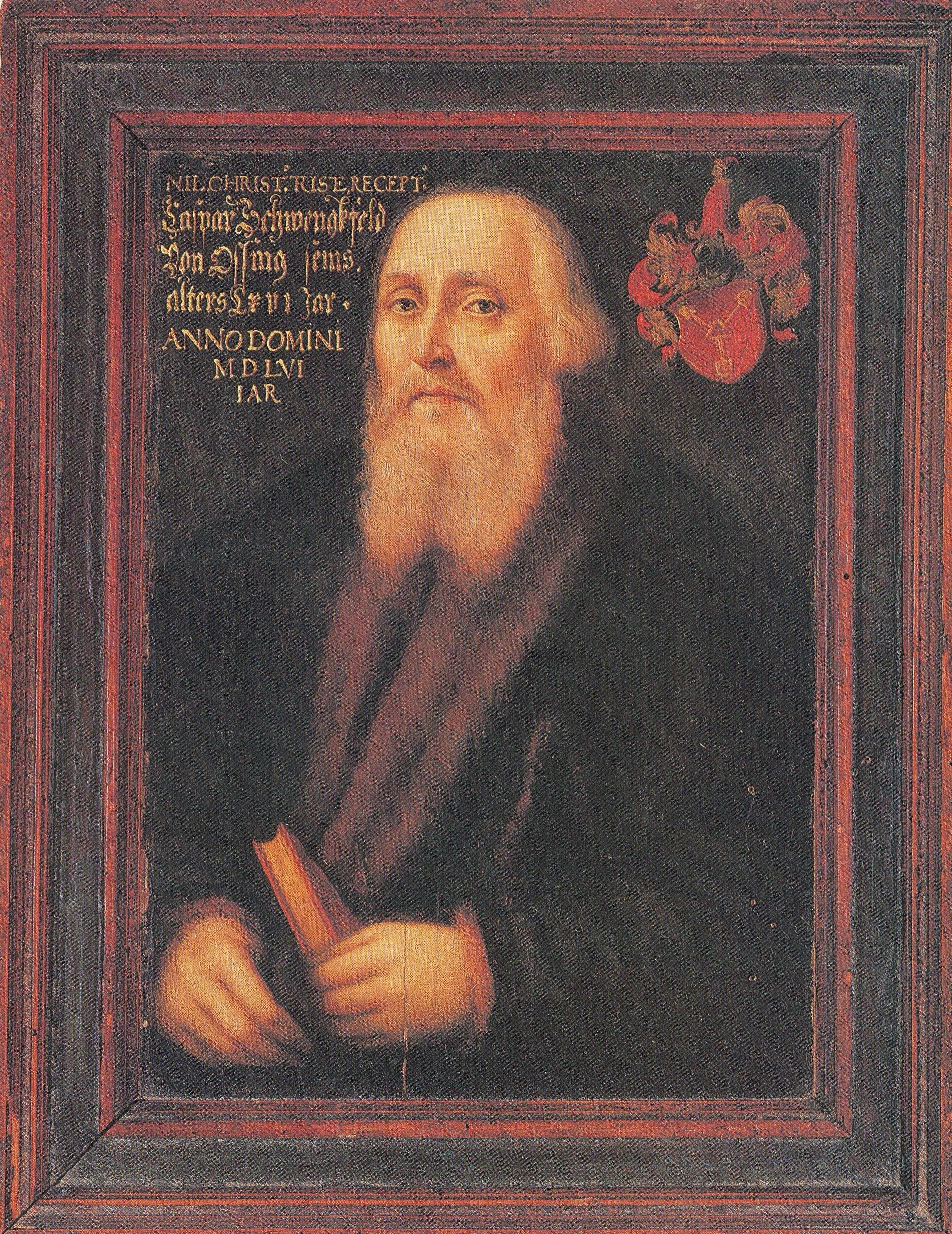
The Schwenkfelders trace their spiritual roots to Caspar Schwenckfeld von Ossig (1489–1561), a Silesian nobleman and contemporary of Martin Luther who broke with the mainstream Reformation over questions of grace, scripture, and the nature of Christ. His followers faced centuries of intermittent persecution across Silesia and the German-speaking world — outlawed, displaced, and denied the right to worship openly.
What makes their survival remarkable is not only that they endured, but that they documented everything. Handwritten texts, devotional records, and community correspondence passed from generation to generation, preserving a living theological tradition through periods when public practice was forbidden.
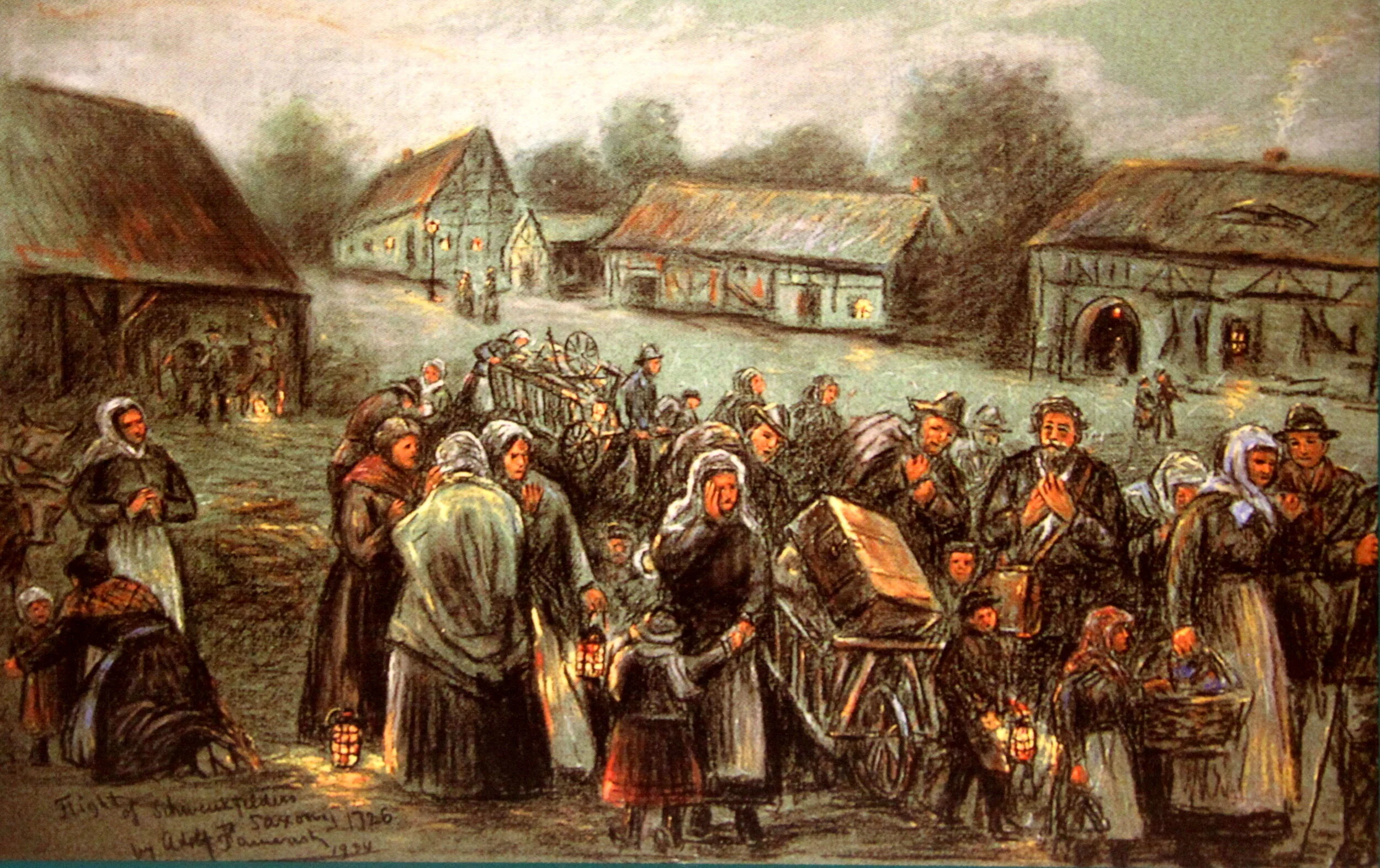
The 1731–1737 Immigration — From Silesia to Pennsylvania
Between 1731 and 1737, the Schwenkfelder community made a deliberate and dangerous journey from Silesia through Saxony to Pennsylvania — arriving in a colony that offered something they had never known: legal religious freedom. The first group landed in Philadelphia on September 22, 1733, a date the community still marks as Gedächtnistag, or Day of Remembrance.
They settled across what are now Montgomery, Berks, Lehigh, and Bucks counties, building farms, congregations, and schools in the Pennsylvania German communities of southeastern Pennsylvania. Their arrival predates the American Revolution by a generation — making them one of the foundational communities in this region's cultural history.
You don't need Schwenkfelder ancestry to find this story meaningful. Anyone with roots in the Pennsylvania German communities of southeastern Pennsylvania is reading a chapter of their own history here.
What the Artifacts Document
The Schwenkfelder collection at this library and heritage center spans from the early 1700s through the present day. It includes materials that exist nowhere else in a single, accessible location.
Key artifact categories include:
- Handwritten religious texts and devotional manuscripts copied and preserved across generations during periods of persecution
- Immigration documents and ship records from the 1731–1737 passage to Pennsylvania
- Family correspondence and community records from the earliest settlements in Montgomery and Berks counties
- Congregation records, hymnals, and theological writings reflecting 300 years of Schwenkfelder religious practice
- Fraktur and illuminated documents created within the Schwenkfelder community
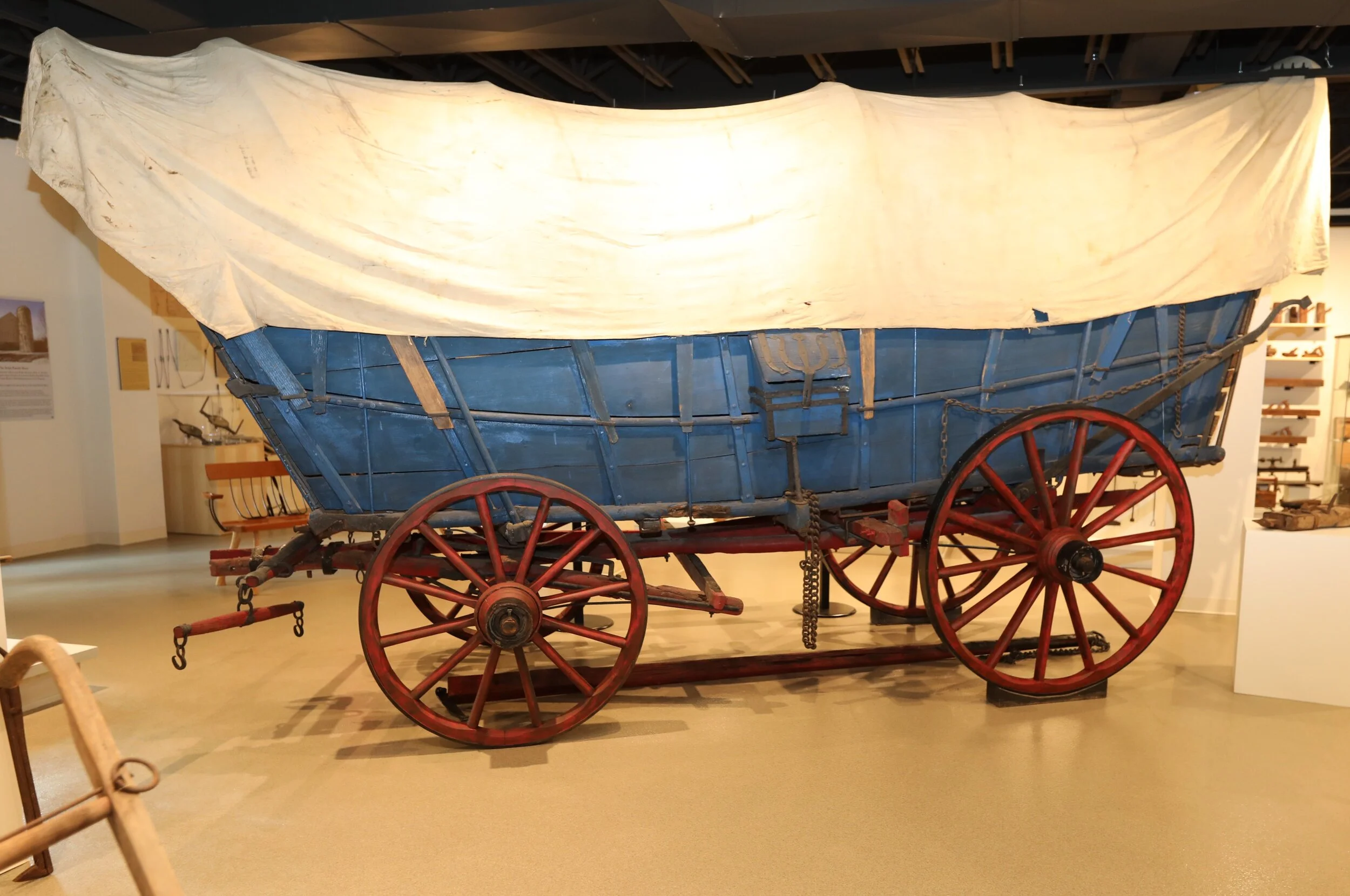
- Photographs, diaries, and material culture from the 19th and 20th centuries
These are primary sources — not reproductions. They are the actual objects through which a community sustained its identity across centuries of displacement.
Why This Collection Matters Beyond Schwenkfelder Descendants
The Schwenkfelder collection is an anchor for understanding Pennsylvania German Protestant history more broadly. The theological tensions, immigration patterns, and community-building strategies documented here reflect experiences shared across dozens of German-speaking communities that came to Pennsylvania in the 18th century.
Researchers tracing Pennsylvania German genealogy, studying the Protestant Reformation's long aftermath, or documenting the rural agricultural life of southeastern Pennsylvania will find the Schwenkfelder records essential context. The community's meticulous documentation practices — a survival strategy born of persecution — produced records that illuminate not just Schwenkfelder history, but the wider world they inhabited and shaped.
Explore the Collection in Person or by Appointment
Who was Caspar Schwenckfeld and why does his history matter?
Caspar Schwenckfeld (1489–1561) was a Silesian nobleman and Reformation-era theologian who developed a distinct spiritual movement emphasizing inner faith and grace over institutional church authority. His followers faced persecution for generations after his death, and their survival — documented in handwritten texts and community records — is one of the more remarkable stories in Pennsylvania German Protestant history.When did the Schwenkfelders come to Pennsylvania?
The main immigration occurred in waves between 1731 and 1737. The largest group arrived in Philadelphia on September 22, 1733, a date still commemorated annually as Gedächtnistag. They settled primarily in what are now Montgomery, Berks, Lehigh, and Bucks counties.What types of Schwenkfelder artifacts and documents are in the collection?
The collection includes handwritten devotional manuscripts, immigration and ship records, congregation records, family correspondence, fraktur, hymnals, theological writings, and 19th- and 20th-century photographs and diaries. Many of these materials were produced and preserved by the community itself across generations.Do I need to be a Schwenkfelder descendant to use the collection?
No. The collection is open to researchers, historians, genealogists, and anyone interested in Pennsylvania German history or the Protestant Reformation's legacy in America. Our library staff welcomes visitors with a wide range of research interests and can help you identify materials relevant to your specific questions.How do I access the Schwenkfelder history collection for research?
Museum visitors can view collection highlights during regular hours. Researchers seeking deeper access to the archives and library materials can schedule an appointment through our research request form. Staff are available to assist with both in-person visits and preliminary inquiries by phone or email.

Visit Us
Pennsburg sits in the Upper Perkiomen Valley, approximately 45 minutes northwest of Philadelphia, 30–40 minutes from Allentown and the Lehigh Valley, and a short drive from Quakertown, Green Lane, and East Greenville. On-site parking is available.
Schwenkfelder Library & Heritage Center 105 Seminary Street, Pennsburg, PA 18073
Montgomery County, Pennsylvania