Pennsylvania German Genealogy Research in the Heart of the Region Your Ancestors Called Home
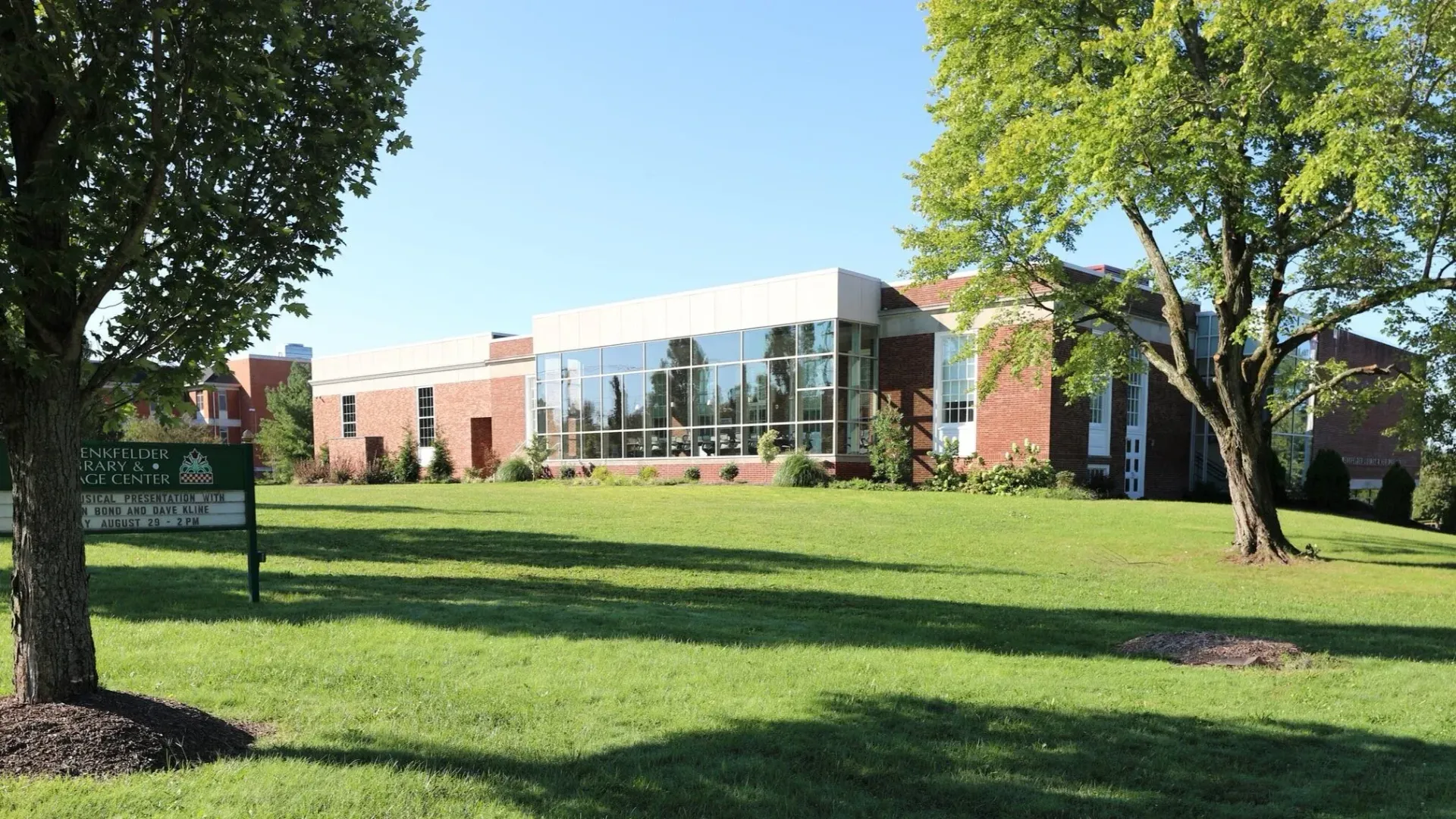
The Schwenkfelder Library & Heritage Center is a designated regional history center for Montgomery, Berks, Lehigh, and Bucks counties — and one of the most concentrated research destinations in the country for Pennsylvania German ancestry. If your family roots run through the Reformed, Lutheran, Mennonite, or Schwenkfelder communities of southeastern Pennsylvania, the records that define your family history are likely within our walls.
What Makes Pennsylvania German Research Different from General Genealogy
Pennsylvania German genealogy research follows its own path. National databases like FamilySearch and Ancestry have made a great deal possible from home — but the records that matter most for PA German families are often handwritten in German, recorded in local church registers, or preserved in fraktur documents that were never digitized. Tracing PA German ancestry means working with sources that require regional context, language familiarity, and collections depth that general platforms simply don't carry.
Our library holds church records, fraktur Taufschein (baptismal certificates), family histories, correspondence, photographs, and land records specific to the Perkiomen Valley and the broader four-county region. This is the geographic depth that closes the gaps national databases leave open.
How Pennsylvania German Research Typically Unfolds
Most successful PA German ancestry research follows a recognizable sequence. Understanding where to start — and what each source type can and can't tell you — saves significant time and frustration.
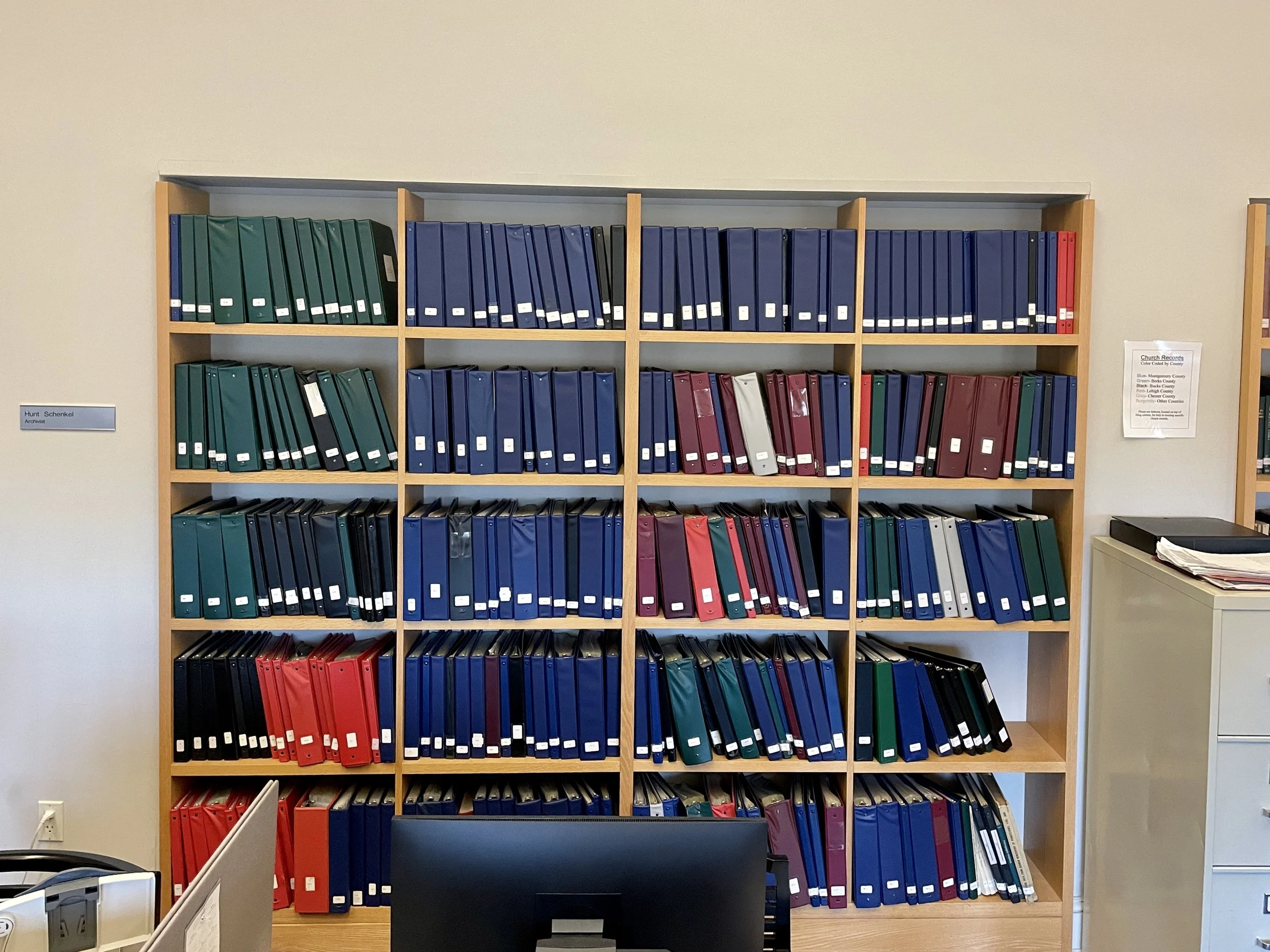
- Church records first. Reformed, Lutheran, and Mennonite congregations kept meticulous records of baptisms, marriages, and burials long before civil registration existed in Pennsylvania. These registers are often the earliest documentary evidence of a family in the region.
- Fraktur as a primary source. Fraktur Taufschein — hand-lettered and illustrated birth and baptismal certificates — were created for many Pennsylvania German families in the 18th and 19th centuries. They frequently record parents' names, birth dates, godparents, and place of origin in Germany. Our fraktur collection is among the largest in the world and includes pieces tied to specific southeastern Pennsylvania families and communities.
- Family histories and compiled genealogies. Our library holds published and unpublished family histories for many of the prominent Pennsylvania German surnames in this region — resources that don't appear in any online catalog.
- Land and court records. Property transactions, estate inventories, and court documents provide evidence of migration patterns, family relationships, and economic circumstances that church records alone don't capture.
- Photographs and correspondence. Personal papers and family photographs held in our archives can bring documentary research to life and sometimes resolve questions that formal records leave open.
Communities and Surnames Our Collections Serve
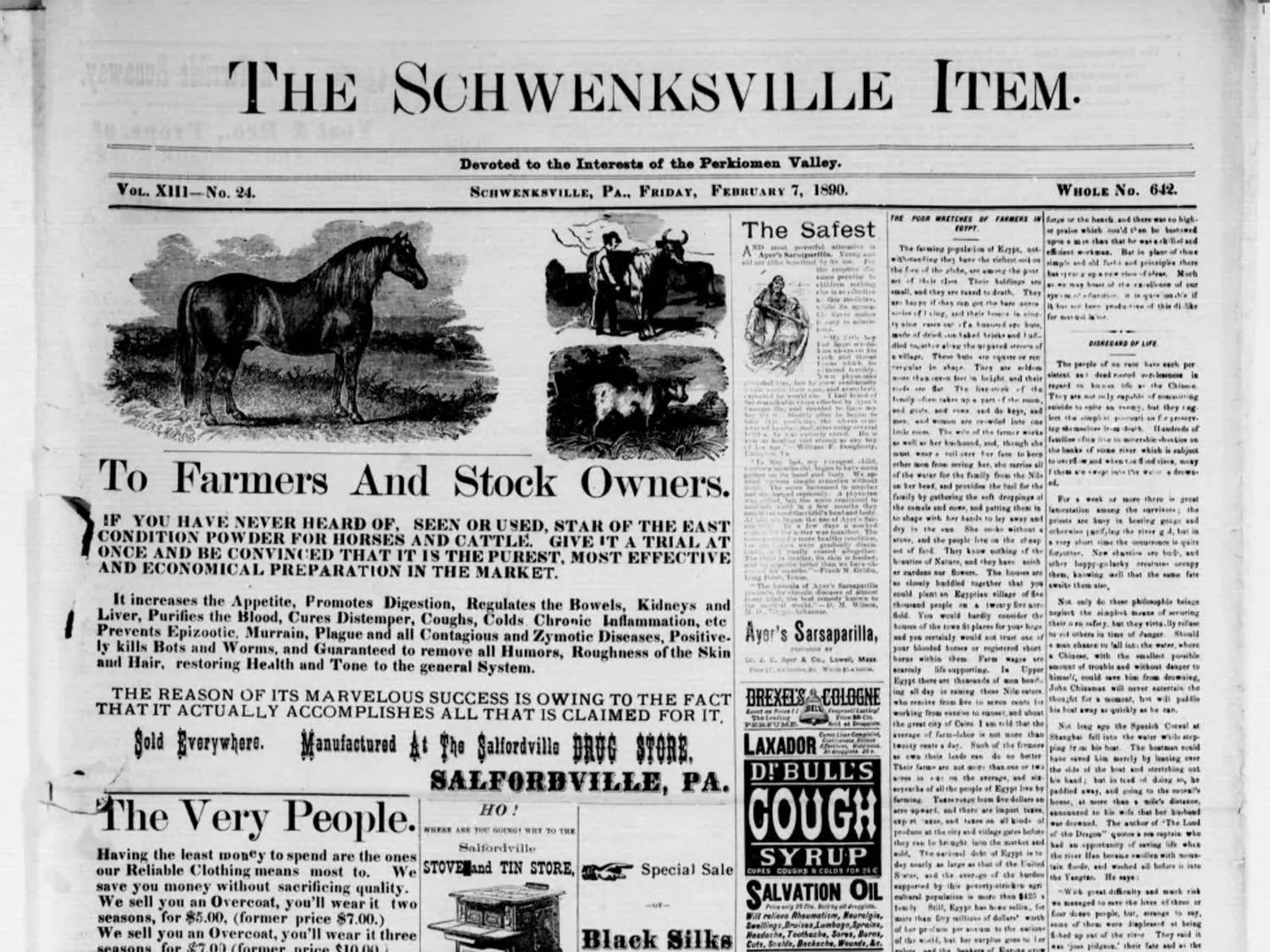
Our holdings are strongest for families connected to the Pennsylvania German communities of the Perkiomen Valley and the surrounding region. Researchers tracing ancestry through the following communities regularly find materials here that are unavailable anywhere else.
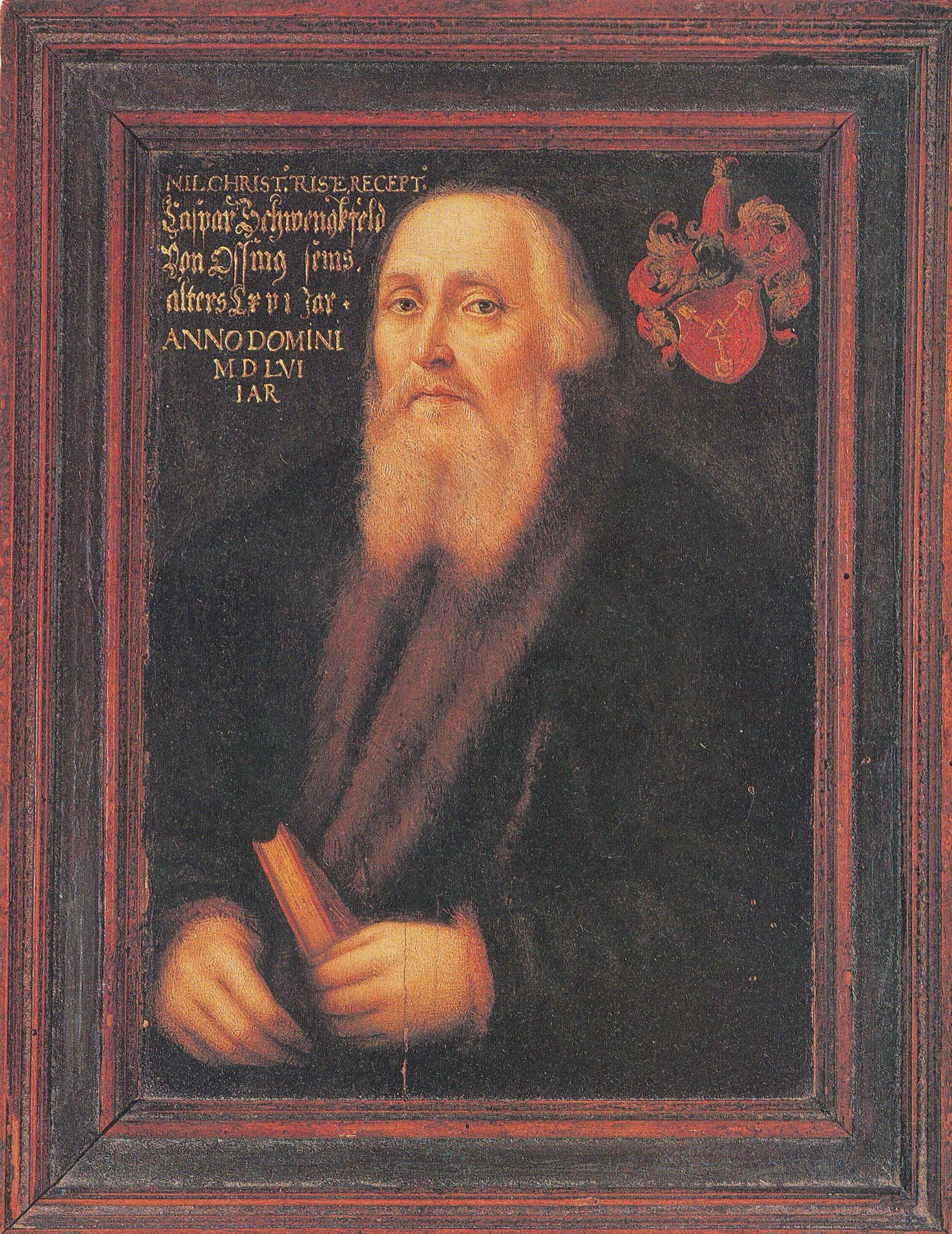
- Schwenkfelder families and their extended networks across Montgomery and Berks counties
- Reformed and Lutheran congregations in the Perkiomen, Skippack, and Goshenhoppen areas
- Mennonite communities in eastern Montgomery and Bucks counties
- German immigrant families who settled in Berks and Lehigh counties in the 18th and 19th centuries
- Families connected to the broader southeastern Pennsylvania German immigrant corridor
If you're uncertain whether your specific surnames or home communities are represented in our collections, reach out before you visit. Our staff can tell you what to expect before you make the trip.
A Note on Pennsylvania Dutch and Pennsylvania German
The terms Pennsylvania Dutch and Pennsylvania German refer to the same cultural and linguistic community — "Dutch" is a historical anglicization of "Deutsch," the German word for German. Researchers new to this field sometimes assume Pennsylvania Dutch refers to Dutch (Netherlands) ancestry, which leads them toward the wrong records entirely.
Our staff regularly helps orient researchers who are new to this distinction. If you're uncertain where your family fits within the broader Pennsylvania German world — or which religious community your ancestors belonged to — we're glad to help you understand the landscape and connect you to the right collection for your specific ancestry. The terminology can be confusing. We'll make sense of it.
Frequently Asked Questions About Pennsylvania German Genealogy Research
Do I need an appointment to use the research library?
Walk-in visits are welcome during regular library hours. Scheduling an appointment in advance is recommended if you're planning extended research or need access to specific collections — it allows staff to prepare materials and give you focused time with the records most relevant to your family.Can you tell me whether my family's records are in your collections before I visit?
Yes. Contact us with your surnames, counties of origin, and approximate time periods, and our staff will give you an honest assessment of what we hold. We'd rather help you plan a productive visit than have you travel without a clear sense of what's available.What's the difference between Pennsylvania Dutch and Pennsylvania German ancestry?
The terms refer to the same community. "Pennsylvania Dutch" comes from "Deutsch," the German word for German — it has nothing to do with the Netherlands. Both terms describe the German-speaking Protestant immigrants who settled in southeastern Pennsylvania beginning in the late 17th century. If you're unsure which religious community your ancestors belonged to, our staff can help you navigate the distinctions.Are your church records and fraktur documents available online?
A portion of our collections has been digitized, but many of our most significant holdings — including manuscript church registers, unpublished family histories, and fraktur documents — are only accessible in person. This is precisely why researchers come to us rather than relying solely on national databases.My family has Pennsylvania German roots but I don't know which county or township they came from. Can you still help?
Often, yes. Surname distribution patterns, church affiliations, and the geographic concentration of Pennsylvania German settlement can help narrow down likely origins even when a researcher is starting without a specific location. Our staff has experience helping researchers work backward from limited information to identify the most promising records to pursue.
Visit Us
Pennsburg sits in the Upper Perkiomen Valley, approximately 45 minutes northwest of Philadelphia, 30–40 minutes from Allentown and the Lehigh Valley, and a short drive from Quakertown, Green Lane, and East Greenville. On-site parking is available.
Schwenkfelder Library & Heritage Center 105 Seminary Street, Pennsburg, PA 18073 Montgomery County, Pennsylvania